Holidays offer opportunities to include children in the wonder and meaning of our cultural and religious traditions. By considering the significance of each holiday, and our children’s stage of development, we draw them into the celebrations in ways that are meaningful for them. We provide access points to these important days, inviting them to participate and build their own authentic understanding of why these holidays matter to us.
While Dr. Maria Montessori was Catholic, her principles of child development are universal, and apply to the spiritual and communal life of all children. By understanding that the child’s capabilities progress from the concrete to the abstract, we can give children experiences that allow them to connect, as well as grow. Similarly, by encouraging their abilities each year, and showing them how to participate, they will begin to take on more and more ownership of their contributions to the holidays.
It may be helpful to consider holidays through a number of entryways: Books and stories, food, decorations, service to others, and prayer or song. Of course there are many others! By identifying some of the ways that your children directly experience the holidays, you can invite them to participate and develop their own relationship to these days.
Books and Stories
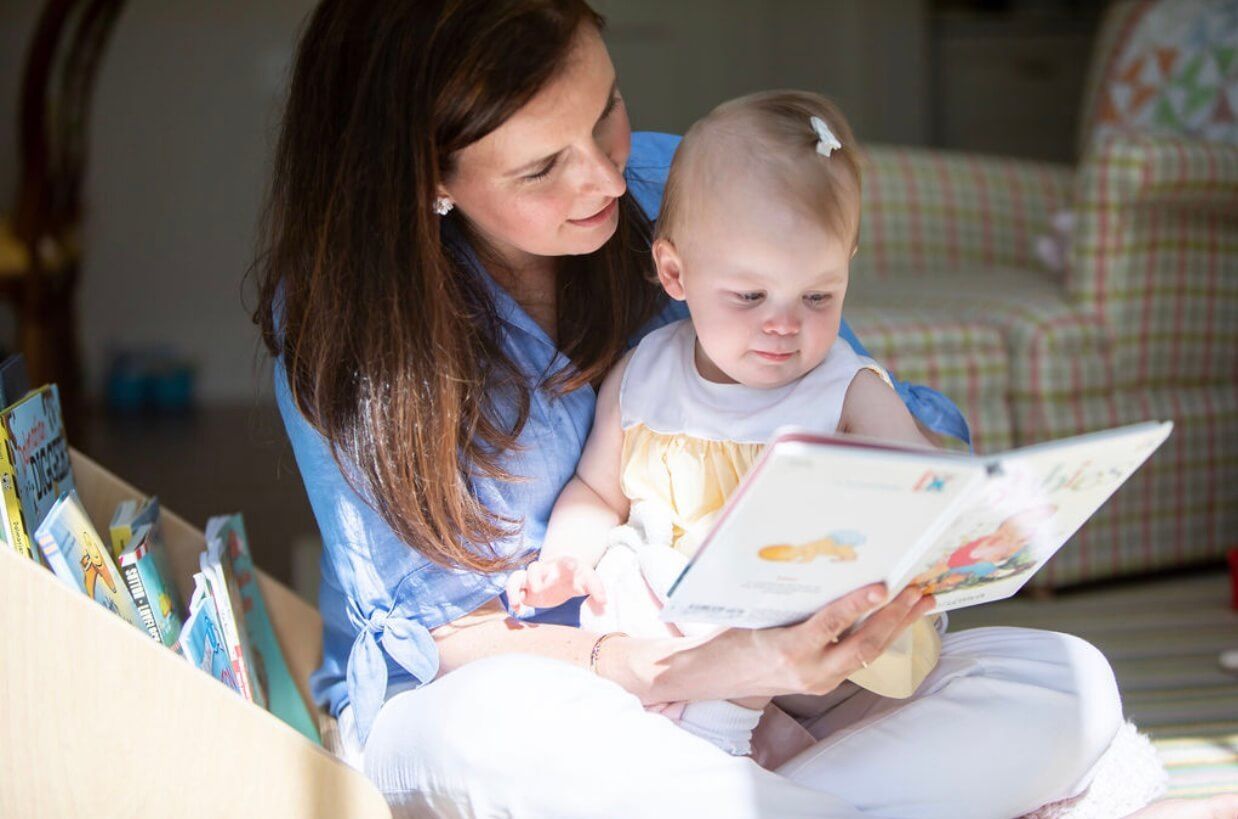
Sharing books and stories with your children gives holidays context and depth. Here, they learn the history behind why we celebrate certain days, and they also see glimpses of how other people celebrate these same days. Arrange a special trip to the library that you take before each celebration, and invite your child to look at the books both with and without you. If the library is not a comprehensive resource for your holiday, then consider looking on-line ahead of time and requesting books through interlibrary loan, or purchasing them to have at your own home. You may want to start a collection of books for each holiday that only come out at that time of year. This keeps the words and pictures special.
In our family, we have collected a basket of Christmas books, which address the history of the holiday, as well as stories that reflect the values of the season. We bring them out each November and put them under our tree. Even our oldest child, at age eleven, likes to sit by the tree each year, working his way through each book, relating to it differently as he grows, seeing different themes and appreciating different aspects.
Your stories don’t need to be limited to books. The holidays are a beautiful time to share oral traditions. Tell stories about what you remember experiencing as a child at this time, or what your ancestors did to commemorate special days. A connection to their past adds to the richness of your child’s experience.

Food
Meals take on an important role in many celebrations! This is an aspect of the holiday that Montessori children are well-suited for participating in. From a very young age, they can stand beside you in the kitchen on a stool, chopping celery, stirring batter, sprinkling sugar on dessert or buns. And as they grow older, they will take on more responsibility for special parts of the meal, preparing dishes entirely on their own or planning the menu.
Invite your children to cook alongside both you and other family members as you prepare familiar foods, year after year. Food creates memories and opportunities for togetherness through many celebrations, and gives your children the experience of participating and experiencing a beautiful part of the holidays.
Decorations
So many celebrations bring the occasion for decorating our homes in special ways. Consider what you can do in your home to commemorate each holiday, and invite your children to participate as they are able. Younger children can collect autumnal items from nature for a centerpiece for fall gatherings. No matter what the holiday, our children always like to make signs to decorate the windows, perhaps for their own enjoyment, and perhaps to share their joy with passersby.
In keeping with the theme of Montessori, older children can be responsible for more of the household preparations for the holidays. Ask them what they remember from the year before, and ask what they would like to do to bring the traditions and memories into this year’s commemorations. You may be surprised by what was important to them and what they would like to take ownership of!
Service to Others
Holidays bring time for reflection, which inspires service to others. This can be done in many different ways for children of all ages. Local food or book banks always need volunteers for organizing items. Your children will come to recognize the importance of collecting gently used toys, books, or clothes to donate. There are often organizations that need volunteers to prepare packages or supplies for children living in foster homes.
Similarly, service can come in the form of kindness to neighbors. Use these days as a chance to shovel an elderly neighbors’ walkway, or bring cookies to someone who lives alone. Drop off beautifully written poems or flowers to a family who is going through a hard time. The challenge here is finding ways to connect the values of your holiday to the action of generosity in age appropriate ways. It is an important instinct to encourage and strengthen in your children through holidays and always.
Prayer or Song
Many holidays have opportunities for special prayers or songs. Children will hear these recitations year after year, and they will come to represent the joy and values of the celebration or commemoration. Invite your youngest children to participate in the words you all say together, perhaps looking for shorter, accessible prayers or songs that they can learn. And as they grow older, challenge them to learn the longer prayers and the continuing verses of songs, eventually leading your family as you say or sing the words together.
You also may turn to poetry or special prose to reflect the values of holiday. My grandmother used to select a different poem to read before our Thanksgiving meals each year, giving the children in the family opportunities to read it aloud to the gathered group, and later reflect on what the words mean in relationship with the day we were celebrating. Your children may enjoy selecting or even writing poems on their own.
Recognizing Holidays from Different Traditions
Every family—indeed, every individual—will relate to the celebrations of their religion and culture in unique ways. Spirituality and community, while often a shared experience, are also deeply personal. This is true within the same religions and cultures, and it is also true across religions and cultures. Our call, then, is to show our children how to approach unfamiliar holidays or traditions with respectful curiosity, but also deep care. This may begin with finding books or stories about different holidays, making sure to expose our children to a variety of perspectives, meant to reflect even just the beginning of the variety of experiences within that celebration. It continues with sincere and respectful engagement with friends and elders from different traditions.
Our children will pick up on how we model this kind of self-education and interaction, and they also benefit from lessons, which in Montessori we call, “Grace and Courtesy.” These lessons are specific and direct. Here, we offer language for asking friends questions when we are curious about their holidays, and we also can provide the opportunity to act out different scenarios that may arise when we want to learn more but also want to be gracious and courteous (hence the name of the lessons!). Children almost always have the most generous of intentions, but they often rely on us for the language and behavior that will allow them to express their intentions kindly and positively. Do not shy away from these conversations with your children, and reach out to your children’s teachers if you are looking for age appropriate ways to lead your children in this way.
Final Thoughts
The Montessori philosophy provides accessible and inspiring ways to engage our children in our beautiful holiday traditions. By seeing our children as active doers, and offering them increasing responsibilities as they grow, we allow them to participate in increasingly meaningful ways.
A parent shares, “The Montessori pedagogy continually challenges us to engage our children in our family’s important religious and cultural traditions as equal contributors (rather than passive observers), who not only understand and can explain the significance of these festivities, but also joyfully celebrate our holidays.”
Your children can be active members of your important family celebrations. They contribute to the events surrounding the holidays, and they also develop their own deep relationship with the values behind the festivities. The holidays we care about as a family serve more than just the purpose of celebrating and gathering. They also reflect our family values and priorities. When we invite our children to experience the values of our holidays, we invite them to grow in the values of our family. We support our children when we are able to connect them to the purpose behind our holidays, and encourage them to find the values inherent in them, giving them tools for living a life of character and compassion.
Thank you to the amazing parents who shared their experiences and insight with me, and helped shape this blog to serve families in an authentic way. I am always so grateful for the opportunity to learn and grow from the wisdom and generosity of the families we share this community with.
For further reading, see Paula Lillard Preschlack’s blog Including Children in Holiday Family Traditions.