Summer is a time for exploring the outdoors, sharing adventures with friends and family, reading under the shade of a tree, and other activities that naturally arise with open stretches of warm, sunny days. If your days are filled with this, then please simply enjoy your children during the summer months! If you find you are looking for educational activities to enhance your interactions with your children, or you can see that they are looking for new challenges, then read below for tips on summer learning at home.
Please keep in mind that all of these activities should be enjoyable for you and your children. If you notice that you or they are becoming stressed or frustrated, then it means it is time to turn to something else. Our goal is not to constantly push children academically, but to enrich their intellectual lives so that they have tools to explore as lifelong learners.
Children Ages 2.5-5 Years
The Sound Game is a fun way to share your child’s delight in spoken language. Though it is simple, this dialogue sets the stage for later exploration with language, in speaking correctly, and with writing and reading. Some children who are going through a stage of particular sensitivity to language will want to discuss the sounds of words several times a day! We have seen that many children still love to do this at ages five and six.
You can do this in the car, to pass the time in a restaurant, etc. To play, you choose an object such as “fork,” and say, “fork starts with the sound fff” (or “mango starts with the sound mmm”). Don’t be surprised if children cannot hear the sound. They will pick it up if you keep repeating sounds and words, and they will love hearing you do this. Some children, while watching others say words, will move their lips and produce no sound for a month or so, before they start to volunteer the beginning sound themselves. Once they are able to hear and repeat the first sound in words, go on and do it with the final sounds in the word. These are harder to hear and may be too difficult for a younger child. Finally, try the game with a middle sound (“a in bat”), which is even more difficult. After practicing identifying individual sounds, you can begin to say all the sounds (not the names of the sounds) in a word (i.e., “cat, c-a-t, cat”). Again, the child may not engage in the activity, but will benefit from hearing you.
Another engaging activity for the young child is
counting. You can practice counting actual items that are in groups of fewer than ten. Once they are confident with these numbers, you can go beyond ten with activities like counting steps to the park. With four- and five-year-olds, practice the language of counting (“twenty-eight, twenty-nine, thirty, thirty-one, …”), and during car rides, ask, “How high can we count on the drive to the grocery store?” This practice is an enormous help as they are learning number transitions (e.g., thirty-nine, forty”).
For Children Ages 5-6 Who Are Reading
In our classrooms, we help children sound out phonetically spelled words by calling the letters by their sound, not by the “ABC” alphabet names. This way, children can figure out any phonetically spelled word. This approach inspires children to attempt to read almost everything.
We later introduce the phonograms, such as “ai, ou, sh, ee,” etc. When your child cannot remember a phonogram and asks for help, you can respond by giving the phonogram sound while pointing to the two letters.
Words which cannot be sounded out, even with the knowledge of phonograms, we call “puzzle words,” These are words such as “where, mother, to, be,” etc. If you see your child struggle with such a word, you can refer to it as a “puzzle word,” and then tell them what the word is. In the classroom, we have games to help the children memorize the most common puzzle words. Outside of school, your child will learn them by coming in contact with them often through reading books.
For All Primary and Elementary Children
Reading
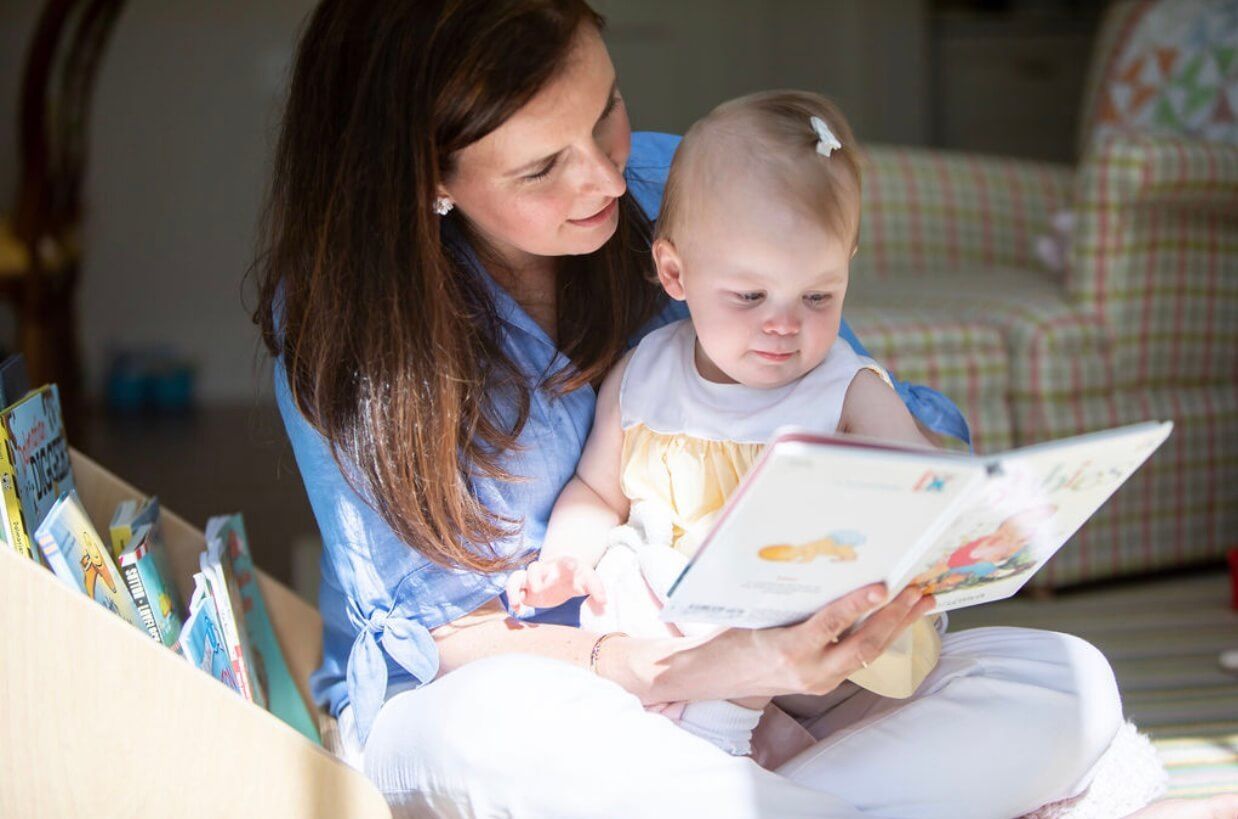
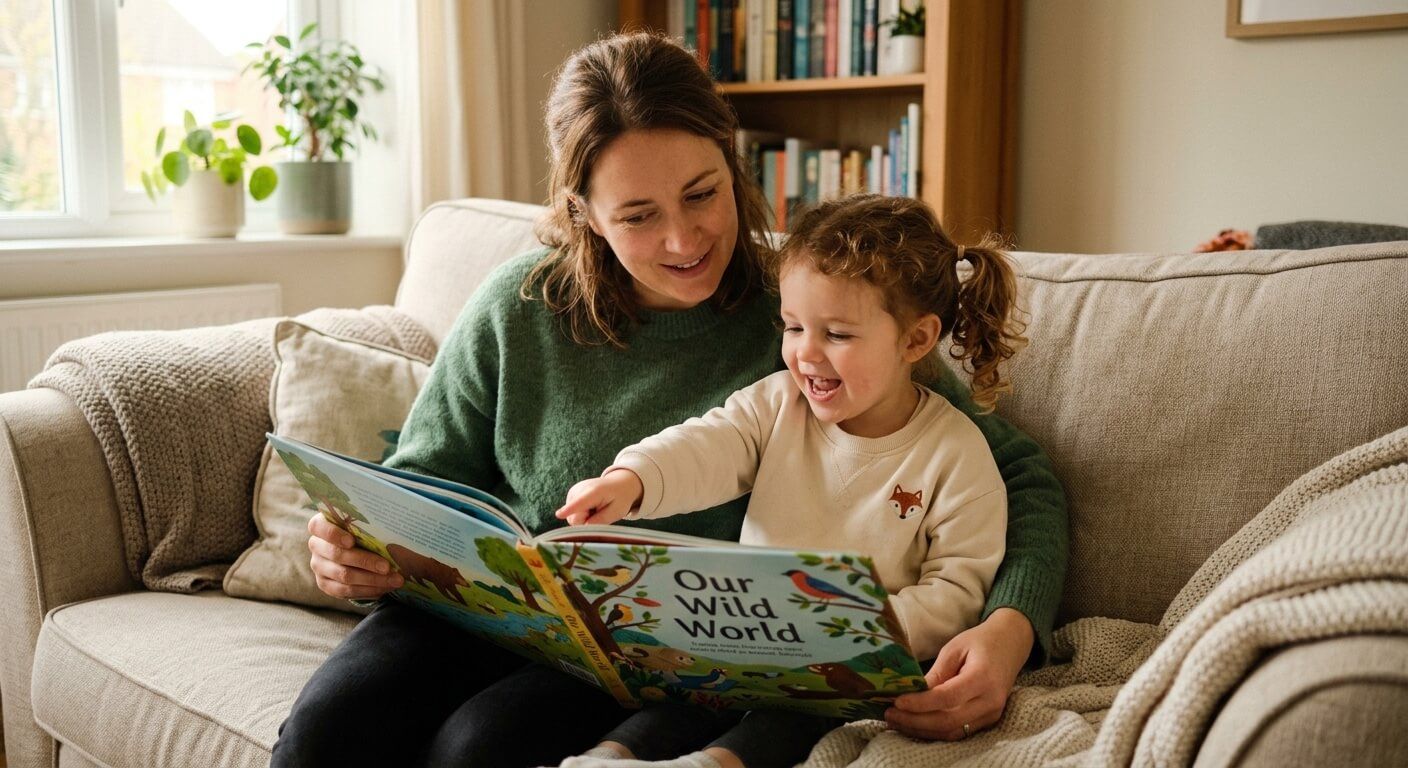
The most important thing you can do for your child’s language development this summer is to read good literature to them, a little every day. Don’t limit yourself! Choose books you enjoy, too, even if you think your child may not understand all this is being read. Hearing your voice, your intonations, new vocabulary, beautiful prose, and stories that touch one’s emotions are invaluable to children. Most of all, it is the love of literature that they will pick up from you, and that is a lifetime gift of greatest value.
If your children are between seven- and twelve-years-old, encourage them to read for an hour to themselves each day. When you choose the books you will read to them, look for high quality literature that will expose them to vocabulary, language, and ideas that they might not be able to comprehend well by themselves.
Writing
Your children’s expressive writing is dependent upon their exposure to high quality literature, both for writing style and for vocabulary. Be certain to maintain a good supply of writing materials and have them readily available at all times, i.e., lined paper, sharpened pencils, and good erasers. For children ages three and four who are writing, a large chalkboard can be used to practice writing their cursive letters at home. They should make them approximately four to six inches high in order to encourage free-flowing arm movement.
Artwork in general is excellent practice for strengthening a proper pencil grip.
It is important to watch how your child holds a pencil, even when drawing. If they are receptive, show them how to hold it between the thumb and index finger (avoiding the error of placing the middle finger on top, as well). If they resist correction, or you notice they no longer want to draw in front of you, then pause your corrections, and simply give them opportunities to see you holding it correctly.
Mathematics
Your children ages six and older are memorizing addition, subtraction, multiplication, and division facts. It is important to practice these math facts with your children often because without repetition, they are easily forgotten within a few weeks. Re-learning them in the fall is time consuming for certain children and can be discouraging. Once the children know some equations in their heads, you can make up very simple story problems with real-life characters and a bit of humor and see if they can find the answer. A game many children adore is skip counting—counting by fives, and so on. Another is simply to “quiz” one another (and you!) on the addition, subtraction, multiplication, and division math facts.
If you find that your children have difficulty, it may be because they are not quite ready to think mathematically on an abstract level. They may use concrete objects commonly found in the home to demonstrate the process. You can adjust the difficulty of the games to match your child. A key factor in the success of such practice and review is to keep the sessions short but frequent. Resist the temptation to lengthen the duration of these practice periods, especially if your child is having a difficult time. Children intuitively sense when we are displeased and they become discouraged. Trust that your children will learn all they need to know in their own time, if we will only provide them with the appropriate opportunities.
During the school year and through the month of June, feel free to contact your child’s teacher if you have any questions about helping with reading, writing, or mathematics. We are a phone call away.
Geography, Geometry, and Science
Play games with an atlas to review the countries your child has learned at school. This is important knowledge in a global world! Review the sides and angles of triangles and geometric shapes. Have fun learning (and re-learning) the names of birds, flowers and trees with your children. Explore geology through rocks and land formations. Let your children see you working to learn new facts that they also can experience in everyday life.
Reflective Time
Remember above all to avoid screen time, whether it is through the medium of television, videos, computer games, or movies. Summer, with the blessedness of the outdoors available to us, is a time for children and adults alike to relax and enjoy stress-free days together. That means days without a busy schedule of activities.
Please let us know if these suggestions are helpful to you. We would love to hear of your discoveries with your own families. We wish you a wonderful summer!