
Elementary Level
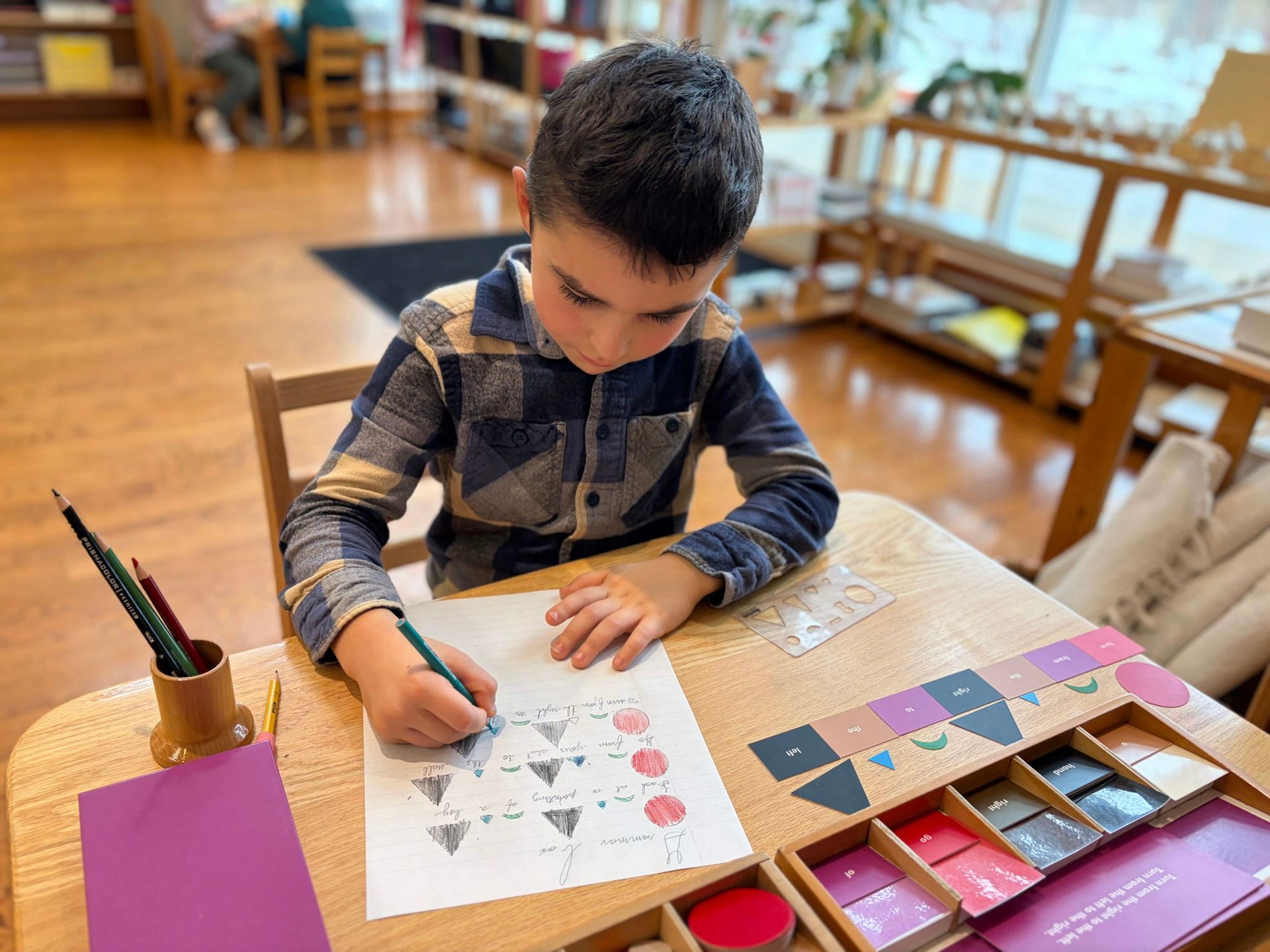
Discover how Forest Bluff School on Chicago's North Shore uses Montessori symbols to teach grammar, making language arts engaging for Primary and Elementary students.

Adapted from a presentation by Upper Elementary teacher Regina Sokolowski See Part I for a discussion of the social goals and unique abilities and characteristics of the elementary child.
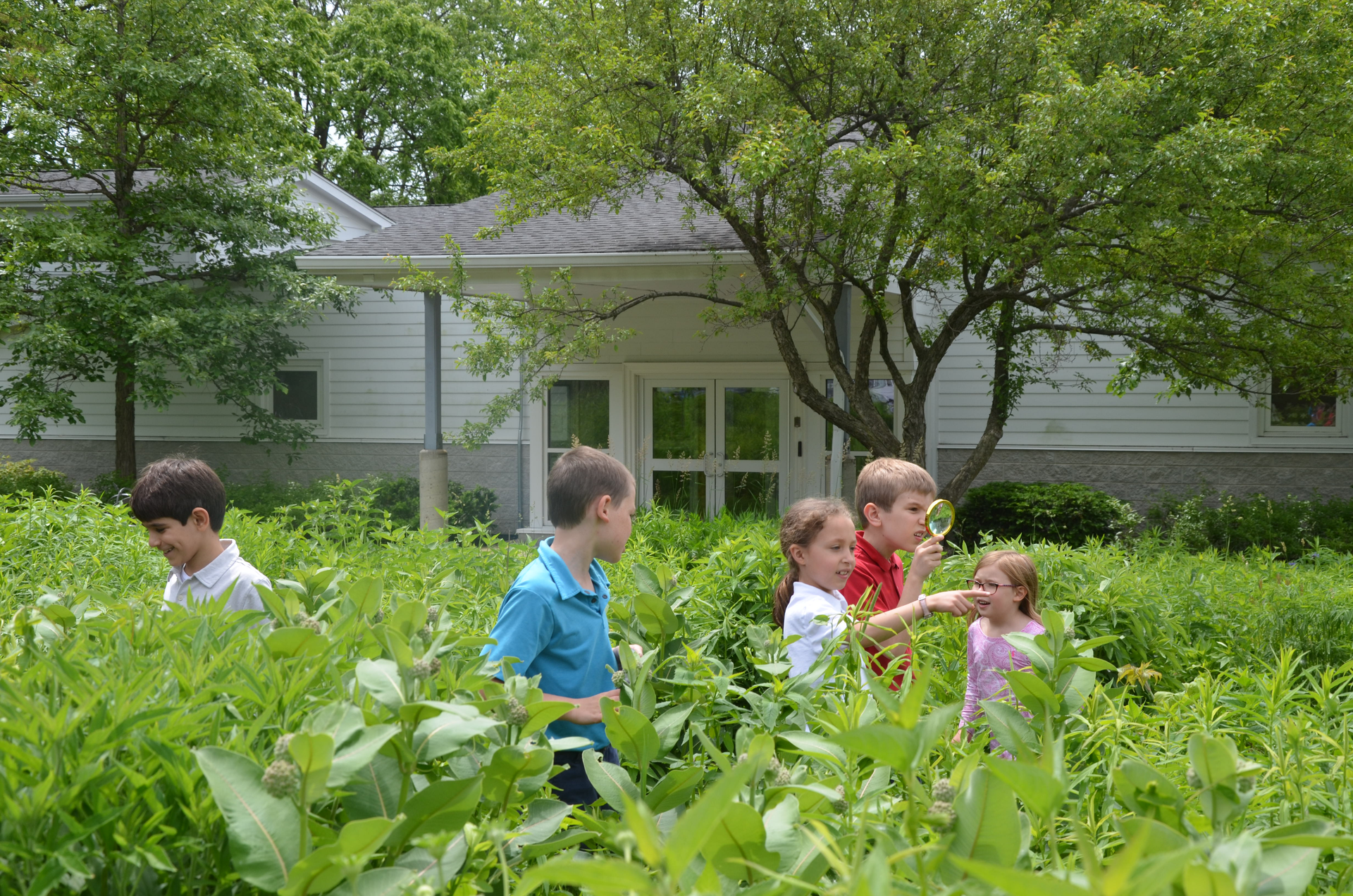
Adapted from a presentation by Upper Elementary teacher Regina Sokolowski

“The child must learn by his own individual activity being given a mental freedom to take what he needs…” — Maria Montessori , To Educate the Human Potential

When children are first learning to conduct research, books provide many advantages over online searches.

Getting Away With It...Again “Jerry, it’s time to get out of the pool. Time to go now, please.” A father stands at the edge of a hotel pool in summer, clearly exhausted, as his wife walks past him carrying a crying baby girl, a floaty, a diaper bag, and two huge towels. “NO!” The boy in the pool, who looks to be about six years old, screams and makes an exaggerated pout, then disappears under the water before his father can say anything more. I feel terribly sorry for this father, and I swim away, relieved that I don’t have to be in his shoes. Raising children is relentlessly humbling work. Then a second thought comes to me: I can’t help but feel concerned for the little boy getting away with this kind of noncompliant behavior. From his confident air, I am guessing that this is a pattern in their family. In recent years, I’ve noticed that some children, of all ages, seem to be making decisions for their parents and directing their parents. Are children more rude than in the past? More difficult? I don’t think so. But I do think that many of today’s parents hesitate to take charge. Building Pro-Social Behavior The worrisome aspect of allowing children to run the show, in the long run, is that those children who practice pushing their parents around become increasingly unsure of their place in the world. They develop habits that do not ingratiate them to others. The very first cues children receive about social interactions, what is fair and respectful behavior, are those from their parents. These experiences from home set the stage for children’s interactions out in the world with others. Most often, young children who are habitually defiant are searching for boundaries that they desperately crave. The adults in their lives need to provide leadership. They can do so without hesitating or apologizing, but by being loving, fair, and confident. Parents must express confidence when they set the limit and say “No.” They can be sure that by removing a noncompliant child from a situation, they are giving necessary support. The goal at such times is much more far-reaching than the immediate situation at hand. Dr. Montessori wrote, “An individual is disciplined when he is the master of himself and when…he becomes accustomed to a discipline which is not limited to school but extends out into society.” Being able to master ourselves, with the self-control for cooperating with others, is something that adults help children to do over time, from their earliest years onward. What should the guidelines for behavior be? Montessori said, “A child’s liberty should have as its limit the interest of the group to which he belongs.” If the behavior is causing disruption to others—including to you as a parent—then address it promptly. Your aim is to teach your child how to become an integral part of a positive community.