For those of us in the Midwest, June brings the beginning of summer. This means longer days, unstructured time, sunshine, green leaves, and flowers! Summer is so good for us after the gray skies of winter, but sometimes all that free time can create stress for families. What should we do with our unscheduled days?! What are some Montessori summer activities that children of all ages would enjoy?
Summer provides many opportunities for getting outside and enjoying nature, and there is so much to do right in your own backyard. It can be tempting to fill every day with organized activities or to make grand plans for excursions, but remember that many of your children’s developmental and spiritual needs are met through the humble tasks of the home. Summer provides the time and space for this work, and allows them to ground themselves in the rhythms of outdoor activities.
Dr. Maria Montessori recognized that children thrive when they engage in real work alongside adults. A younger child may need more support, while an older child can take on more responsibility and initiative. Think of your outdoor work in three categories: Gardening, Yard Work, and Animals. Then introduce these activities to your children so they can be busy in your own yard!
Gardening
- Young Children’s Community (18 months–3 years): Find a small basket or bucket for your toddler to put bright red tomatoes and strawberries in. Show them how to pick the tiny leaves off herbs. When their fingers are stronger, demonstrate how to pinch lettuce leaves at the base.
- Primary (3–6 years old): Invite them to help you make labels for the garden. Younger children can color in the pictures of the vegetables, fruits, and herbs. Older children can help write the names. Check the garden each day to watch for the produce to grow right in front of the labels!
- Elementary (6–12): Elementary children can help plan your garden with a piece of paper and a ruler. Invite them to measure the space and translate the proportions to paper, and then label each section. The older they are, the more complicated this plan can be!
- Secondary (12–14): The oldest children can be involved in research to determine which plants will thrive in your region, where to place seedlings in the light and shade parts of your garden, and also how to place the plants so that they complement each other as they grow.
Yard Work
- Young Children’s Community: Give your little one a bucket and show them how to pluck the heads off of dandelions. This helps reduce the spread of seeds for the next year! They also can gather sticks to prepare the lawn for mowing.
- Primary: Show your young child how to use a weed trowel to dig into the ground next to dandelions and pull them out by the roots. Challenge them to fill an entire bucket with the weeds!
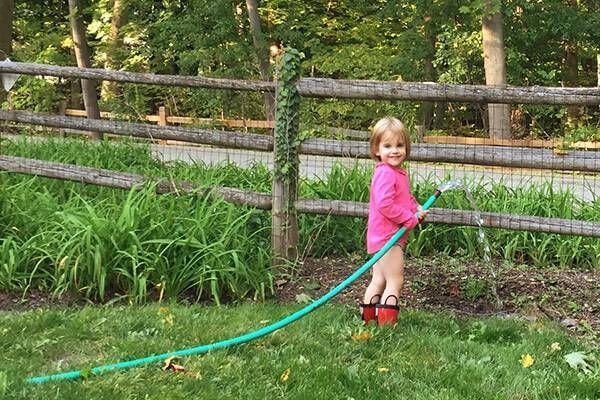
- Elementary: Your older child can be responsible for pulling the dead flower heads off of the plants that surround the yard. Show them that when they remove the old flowers, the plant has more resources to push out new blooms. They also can be responsible for setting up the sprinkler and watering plants and sections of your yard that need special attention.
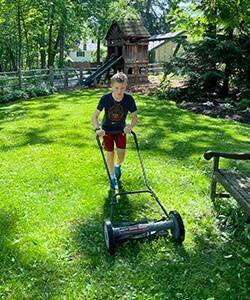
- Secondary: The oldest children can mow your lawn for you! Push mowers are easy and safe to use if you are not comfortable with electric or gas mowers. Along with increased responsibilities comes increased freedom. When they finish, they can bike into town for an ice cream, or fix lemonade with fresh lemons and stevia or honey in your kitchen as a treat.
Animals
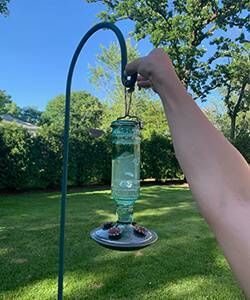
- Young Children’s Community: The very youngest children can help fill a bird feeder. Place the open feeder on the ground and open a bag or bucket of seed. Find a child-sized scoop, and show your toddler how to scoop the seed and put it in the feeder. Some may end up on the ground! Sweep it up or leave the treats out for the squirrels to clean up. Your child will love seeing the birds enjoy the food they prepared for them.
- Primary: A primary child can learn how to mix water with sugar for a hummingbird feeder. The proportion for these birds is one part sugar for every four parts water, and the sugar water should be replaced every 4-5 days. They can learn to measure the portions themselves, stir the mixture, and pour it into the feeder. Then watch for these amazing animals!
- Elementary and Secondary: Older children can do research to learn which kinds of bird seed will attract which kinds of birds. Once they know which birds are in your area, show them how to set up different feeders with various kinds of seeds. Then they can observe to see the birds that arrive in your yard, make lists of what is successful, and look up the birds that they do not recognize.
All of the age suggestions here are just that: suggestions! Older children may be happy to complete the tasks listed for younger children. And you may have younger children who are ready to take on the tasks listed for older ages.
In all cases, remember that the true purpose of a child’s activity is their own development. The process is more important than the product! Sometimes they will be truly helpful in the care of your home, and other times you may need to remind yourself that the goal is to raise a competent adult and not to have a perfectly manicured yard.
These summertime activities will provide opportunities for your child to experience how good real work feels. They will enjoy being productive with their minds and bodies. This work will help them develop their concentration, as well as their sense of themselves as contributing members of their family.
True self-esteem grows when children realize that they are competent and that their work matters. Your yard is the perfect place for your children to grow!