The heart of fall marks the beginning of the holiday season for many religious and cultural traditions. And with the holidays comes the time for buying gifts for loved ones. This can be a challenge for the intentional parent, who wants to give thoughtful purchases that will inspire engagement and support development, while also not adding to the clutter!
If we turn to the essential observations that Dr. Maria Montessori made about children, we can use these as a guide to consider what is most useful and attractive to give. By viewing children in their planes and sub-planes of development, we see what their needs and interests are at these times, and can choose appealing and developmentally supportive toys, activities, and tools for each age.
For our purposes, we will consider the children in the following age groups: 0-3 years, 3-6 years, 6-12 years, and 12-15 years.
Infants & Toddlers: 0-3
Perhaps there is no greater leap in development that a human being will make in their entire lives than the changes that occur from birth to age three. The tiny helpless infant becomes an independent and functioning three-year-old! During this stage of life, parents and caregivers want to particularly support the tiny child’s development of their fine and gross motor skills.
Basket of Balls: Choose a variety of three or four balls (3-6 inches in diameter) and put them into a basket just large enough to hold them. The balls can be made of different materials and have different colors. An infant will reach towards and eventually scoot towards a ball placed in front of them. A crawling baby will chase after the rolling balls. And a toddler will practice throwing and kicking the balls outside or in a recreation room.
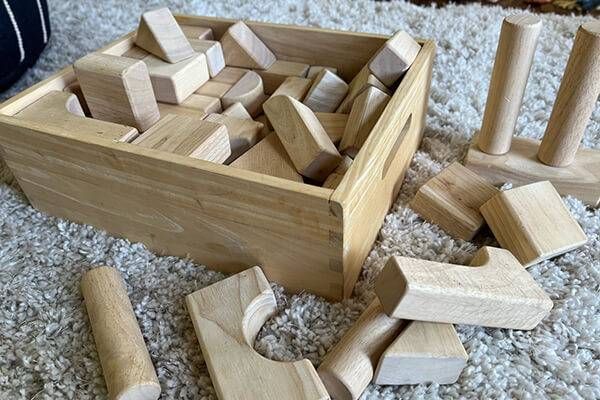
Set of Wooden Blocks: A baby who is sitting can practice putting one block on top of the other. As they develop this skill and interest, they can do this work with more and more blocks. By the time they are three, they will build even more complex structures.
Small Apron and Chef’s Hat: One of a toddler’s favorite places is underfoot in the kitchen! With the appropriate gear, you can signal to them that they are invited to participate in the work of the home. There are a variety of one- and two-step activities that toddlers can do in the kitchen. And a gift such as this one allows them to feel that their efforts and contributions are recognized.
The Young Child: 3-6
While a child spends the first three years of their lives developing their movement, they spend the next three years practicing refinement of these acquisitions. They also are now becoming more curious about what is in the world around them. At this age, gifts that allow them to work with their newly acquired fine movement skills and gifts that give them facts about the world they can see serve their interests and actions.
Colored Pencil Set: A beautiful set of colored pencils with a special drawing pad makes a wonderful gift. Children love having a designated case for their pencils and a specific booklet for storing their pictures. A gift like this elevates their activity and gives it dignity!
Kitchen Set: For this gift, choose a small cutting board, a small strainer, and a crinkle cutter / wavy knife. A young child enjoys contributing to the home, and the kitchen is a wonderful place for their work. These child-sized tools allow them to participate in many food preparation activities. Montessori Services carries many child-sized utensils.
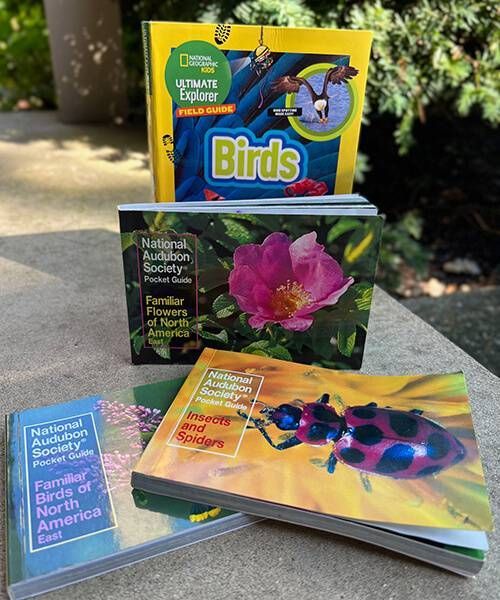
Nature Guides: There are many nature guides that are appealing to young children: trees, leaves, flowers, insects, reptiles, amphibians, mammals, and more. Search for ones that have a large clear picture of the subject, and the name clearly written out (perhaps with supplementary information, also). At this age, children can best understand the books when they are simple and only have one picture per page.
The Elementary Child: 6-12
The elementary years represent a stable, curious, intellectual, and social period in a child’s life. While they grow larger and gain more reasoning abilities during this span, they do not undergo the intense transformative change that occurs from birth to six. Thus, these gifts are recommended for the entire six-year span, with the specification that an older elementary child will be ready for more advanced and independent work than the younger elementary child.
Calligraphy Set (or Other Hand Work): A calligraphy set is a wonderful way for the elementary child to explore new ways to communicate with the written word. They will enjoy the aesthetic qualities they add to their work, and they can write letters and make gifts for others.
Dictionary: During a time in our culture when so much of language is on the screen, there is still a place for a hardbound dictionary. Children enjoy looking up words they know and learning words they haven’t heard of before. They can check spelling and definitions. For the younger elementary child, a dictionary with pictures and diagrams can encourage their interest, while an older elementary child may appreciate a more substantial book.
Memberships: Elementary children are curious about the larger world around them. They love going into the city, or to nearby museums and nature preserves to learn more about history, biology, astronomy, government, and more. A year-long membership to an art museum, historical society, nature preserve, or similar place is a gift of knowledge and activity—perfect for 6-12 year olds!
The Secondary Level: 12-15
By adolescence, the teenager becomes deeply interested in discovering how they will contribute to their world. Their energy becomes reflective as they determine who they are and how they fit in with the people around them. At this age, gifts that honor who they specifically are and that give them access to the adult world offer dignity to their stage of life.
Tickets to a Symphony or Drama Performance: While some children may have attended musical performances or plays before, thoughtfully considered tickets indicate a new level of maturity for the adolescent. This event should be something that appeals to an interest the child has already expressed, and can be treated with the ceremony of an adult activity; perhaps there is dinner before with the gift giver, there are no younger siblings, and there is discussion afterwards to share the impressions of the experience. All these specifications make the gift a special part of the new stage of life the teenager has entered.
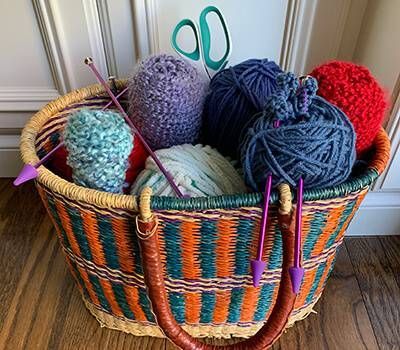
Personalized Crafting or Tool Set: By this age, many children already have specific crafting or building interests. Take the time to get to know what it is that they love to do with their hands—e.g., knitting, needlepointing, carving, or wiring electronics. And then find or create an advanced set related to these interests. While their interests may change over time, they will appreciate your recognition of their current passions and abilities.
Specialized Classes: After learning more about what your teenager is interested in, you can search out classes at your local community center. Developing their skills in artistic expression, cooking, or woodworking (just to name a few), gives them greater confidence and encourages their engagement with the world around them. They enjoy developing their independence and joining the adult world with real life adult activities.
Final Thoughts
For any stage of childhood, first consider what you know about a child’s abilities and developmental needs. By keeping these in mind, you are more likely to find a gift that will continue to appeal to them through this stage of their development. Secondly, it is always important to pay attention to who your child is and what their unique interests are at the time. A gift that reflects what you know about them tells them that you see who they are and love them for it!